MYTHOLOGY · 01/08
Two wars, one lake
Both versions of the ceding-of-the-land, and the real "Suwa Great War"
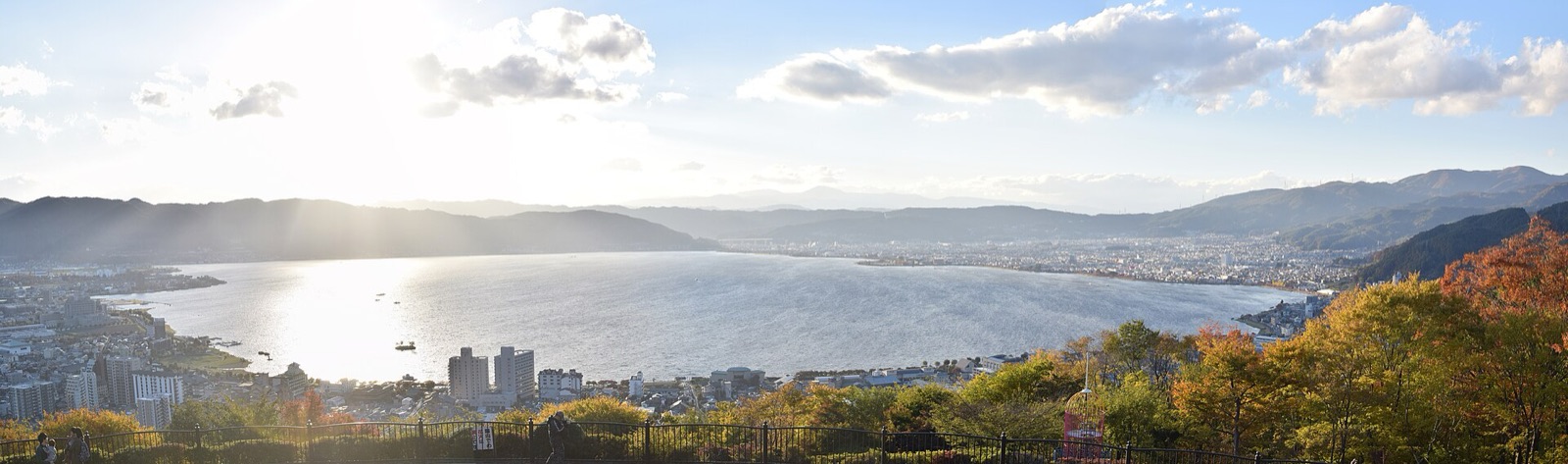
Suwa's story begins with two lost wars. The first is in the Kojiki: Takeminakata, son of Ōkuninushi, refused to cede the land, wrestled the war god Takemikazuchi, lost, and fled to Lake Suwa — allowed to stay only on a vow never to leave. The Nihon Shoki doesn't even mention him; his arrival at Suwa is the Kojiki's exclusive story.
The second war is the one Suwa locals tell: the invader Takeminakata (Suwa Daimyōjin) defeated the indigenous mountain god Moreya, who yielded rule. 15th-century documents preserve the skeleton: Moreya lost, but his descendants — the Moriya clan — were not purged. They became the Jinchōkan, keepers of the shrine's deepest rites, for over a thousand years.
Suwako's spell card "Suwa Great War" is this second war. ZUN has said the two goddesses' relationship in Gensokyo — apparent master and servant, actually inseparable — mirrors the historical double track: the winner's line (the Ōhōri, living gods) and the loser's line (the Jinchōkan, ritual masters) served the same shrine together. The myth even ends with a marriage: Moreya's daughter married Takeminakata's son. Kanako and Suwako's bond was written into that wedding.
SOURCES
SOURCESPhotos from Wikimedia Commons under CC licenses; credits beneath each image.